Union Jack: Meaning, Crosses, History, Correct Way Up & Facts
Explore how the Union Jack combines the crosses of St George, St Andrew and St Patrick, why Wales is not separately represented, the 1606–1801 history and how to spot an upside-down flag.
What does the Union Jack look like?
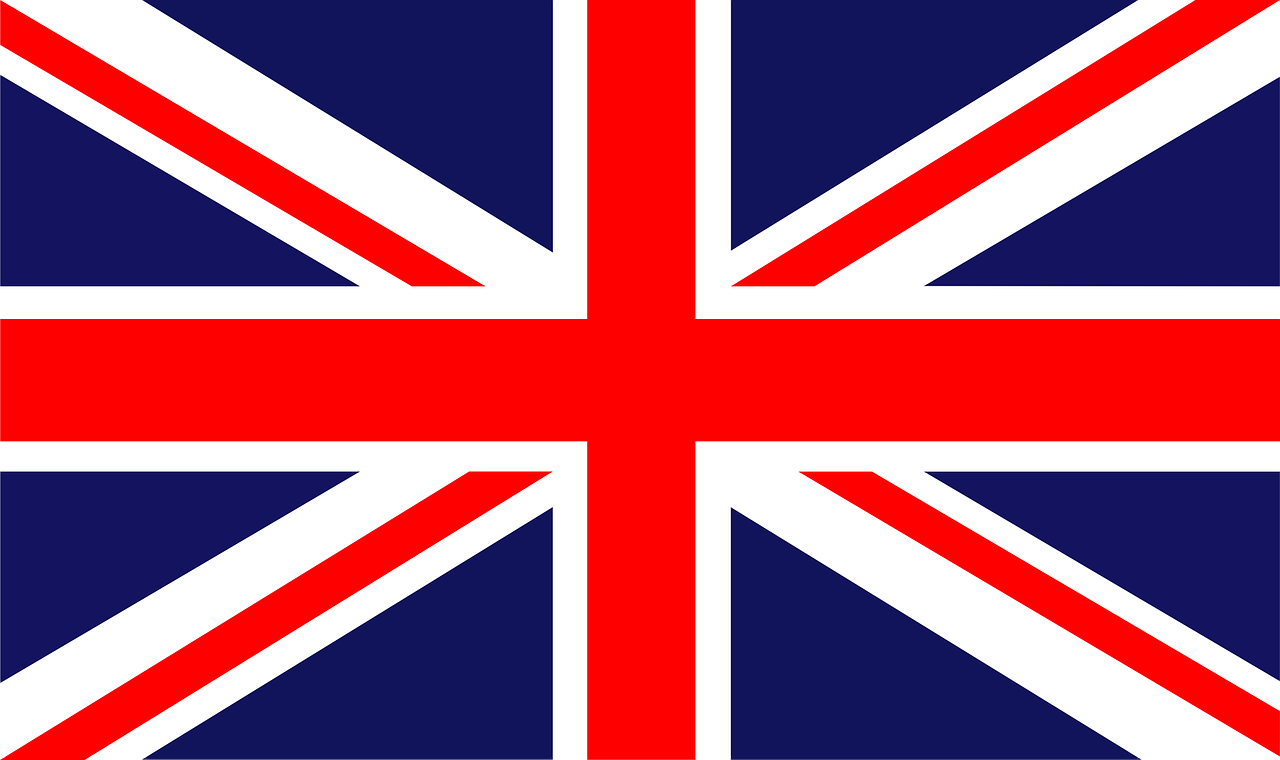
The flag combines a red upright cross, white and red diagonal crosses, and a blue field. Its design is deliberately asymmetric: the diagonal red and white elements are offset rather than perfectly centered on each other.
That asymmetry is what makes it possible to fly the Union Flag upside down by mistake.
Which crosses make up the Union Jack?
St George
A red upright cross on white, representing England.
St Andrew
A white diagonal saltire on blue, representing Scotland.
St Patrick
A red diagonal saltire on white, historically representing Ireland and retained in the current United Kingdom flag.
How did the Union Flag develop?
The first Union Flag was created in 1606 after James VI of Scotland also became James I of England. It combined the crosses of St George and St Andrew.
The present design dates from 1801, following the union involving Ireland. The diagonal red saltire associated with St Patrick was added to the existing English and Scottish design.
Why is Wales not represented separately?
The Welsh dragon does not appear on the Union Flag. Wales had already been legally incorporated with England before the first Union Flag was created in 1606, so it did not enter that union as a separate kingdom with an additional cross.
Is it Union Jack or Union Flag?
Both terms are widely accepted today. The Royal Family’s official site refers to it as the Union Flag, or Union Jack. The idea that “Union Jack” is correct only at sea is therefore too restrictive as a modern usage rule.
How can you tell if the Union Jack is upside down?
The College of Arms explains that in the upper corner nearest the flagpole, the wider diagonal white stripe should be above the red diagonal stripe. If the red diagonal appears above the wider white one in that position, the flag is upside down.
When can the Union Flag be flown?
Individuals may fly the Union Flag at any time, subject to relevant local planning rules. UK Government guidance encourages government buildings to fly it throughout the year unless another appropriate flag is being flown.
When displayed with other flags, official guidance gives the Union Flag the superior position in specified circumstances.
Union Jack quick facts
| Official name | Union Flag |
|---|---|
| Common name | Union Jack |
| First Union Flag | 1606 |
| Current design | 1801 |
| Crosses | St George, St Andrew and St Patrick |
| Wales separately represented? | No |
Union Jack FAQ
Is Union Jack the correct name?
Yes. Official Royal sources use both “Union Flag” and “Union Jack.”
Why is Wales not on the Union Jack?
Wales was already incorporated with England before the first Union Flag was created.
When was the current Union Jack created?
1801.
Can the Union Jack be flown upside down?
Yes. Because the diagonal stripes are asymmetric, orientation matters.
How do you know which way is up?
At the upper hoist, the wider white diagonal should sit above the red diagonal.
The Royal Family — Union Jack
College of Arms — Union Flag FAQs
GOV.UK — Union Flag flying guidance