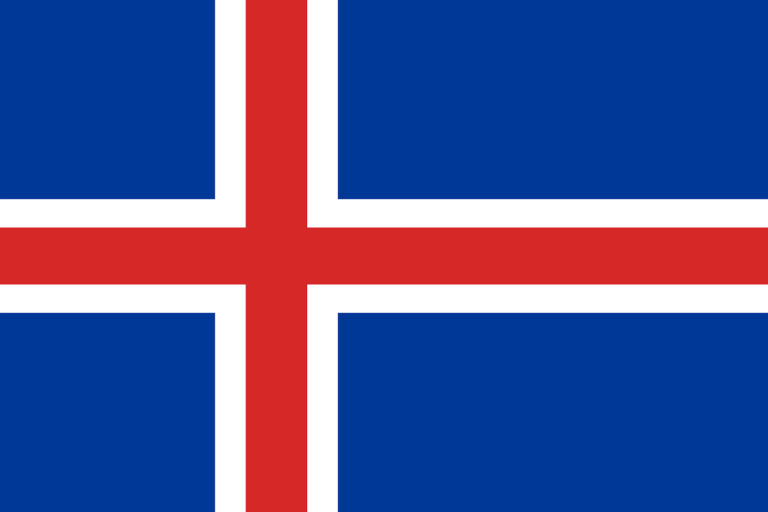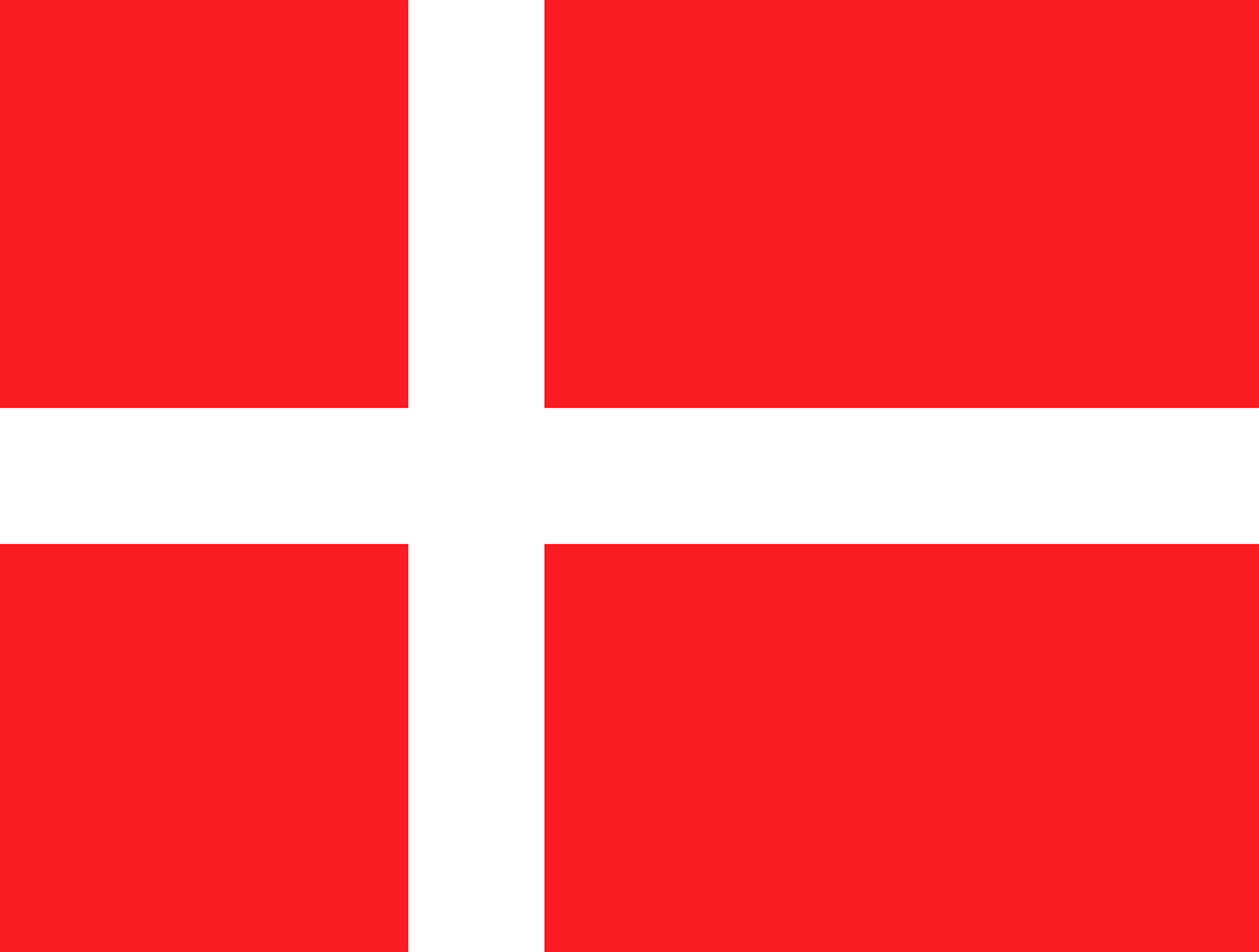
Denmark’s flag, the Dannebrog, is a white Nordic cross on a red field. It is one of the oldest national flags still in continuous use and has inspired the cross design used by the other Nordic countries.
What does the Danish flag look like?
Dannebrog has a red field with a white cross extending to the edges. The vertical arm of the cross is shifted toward the hoist, creating the pattern now known internationally as the Nordic or Scandinavian cross.
Did the Danish flag fall from the sky?
A famous legend says Dannebrog fell from heaven during the Battle of Lyndanisse in present-day Estonia on June 15, 1219. Denmark’s official national website explicitly treats this as legend rather than documented fact. The story was first written down centuries later.
Documented history of Dannebrog
Red flags with white crosses were used more broadly during the medieval Crusades. Dannebrog became specifically associated with the Danish monarchy by about the mid-fourteenth century. For centuries it functioned primarily as a royal and state flag. Private use expanded during the nineteenth century, especially around the First Schleswig War, and the flag eventually became deeply embedded in everyday Danish culture.
Denmark flag facts
- Name: Dannebrog
- Colors: red and white
- Design: Nordic cross
- Legendary date: June 15, 1219
- Documented Danish use: from the fourteenth century
Source
Primary reference: Denmark.dk — 800 years of Dannebrog.