Normandy Flag: Two Golden Leopards, Red Field & History
Explore the Normandy flag’s symbolism, heraldic origins, design and relationship with present-day French regions.
Status: Both a historical province and a present French administrative region, formed in its current boundaries in 2016. Normandy lies in northwestern France along the English Channel. Rouen is the regional prefecture, while Caen hosts the regional council, so saying it has one uncomplicated capital can be misleading. The guide distinguishes older regional heritage from present French government branding.
Normandy flag at a glance
| Area | Normandy, France |
|---|---|
| Type | Historical / cultural regional flag |
| Cities to locate the area | Rouen; Caen |
| Historical tradition | Medieval Norman ducal heraldry; modern cultural usage |
| Main design | In French heraldry, lions walking with their heads facing the viewer are conventionally called léopards; they are heraldic lions, not literal spotted cats. |
| Modern status | Both a historical province and a present French administrative region, formed in its current boundaries in 2016 |
What does the flag look like?
The best-known Normandy regional flag is red with two golden lions walking sideways while facing the viewer. In English heraldry they are often called lions passant guardant; French tradition commonly describes them as léopards, or leopards.
This guide describes the particular artwork shown rather than treating every regional logo, provincial arms banner and cultural movement flag as the same design.
Symbols and historical meaning
The pair of golden leopards is linked to the medieval rulers of Normandy and the Anglo-Norman heraldic tradition. The beasts represent ducal lineage and regional identity, not the animals that live in Normandy today.
The illustrated flag is an armorial and cultural design, not necessarily the regional council’s current logo banner. A photograph of a town hall may show several flags with different legal status.
What do the colours represent?
A red ground and bright gold animals make a stark heraldic contrast. Decorative colours such as blue, white or green do not belong to the standard two-leopard banner.
The colours are heraldic identifications. Where no historic explanation is recorded, claims about nature, freedom or regional character are interpretations, not documented legal meanings.
History of the banner
The two-leopard motif has medieval roots in Norman and Plantagenet arms, although the precise earliest banner is a matter for historical interpretation. Modern use is widespread in Norman cultural and heritage settings. In 2016 Upper and Lower Normandy were reunited as one French administrative region.
Many historical banners were used or reconstructed long before and after modern French regional boundaries were established.
Where is this historical area?
Normandy lies in northwestern France along the English Channel. Rouen is the regional prefecture, while Caen hosts the regional council, so saying it has one uncomplicated capital can be misleading.
Historic cultural territories and modern administrative regions often have different borders. The place names help locate the heritage area without assuming it is an independent jurisdiction.
Is this an official modern region flag?
Both a historical province and a present French administrative region, formed in its current boundaries in 2016
France’s regional government logos and local cultural flags do not always have the same legal status. The featured image is identified as a historical or traditional regional emblem, not automatically a current official council flag.
Similar flags: avoid confusion
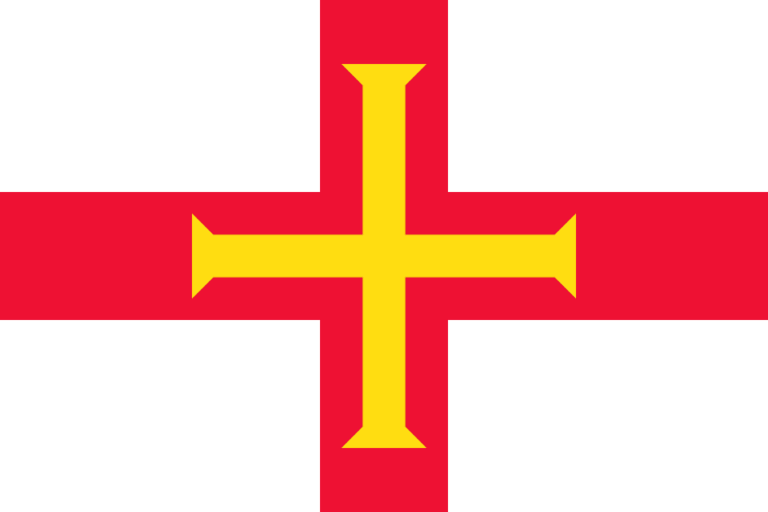
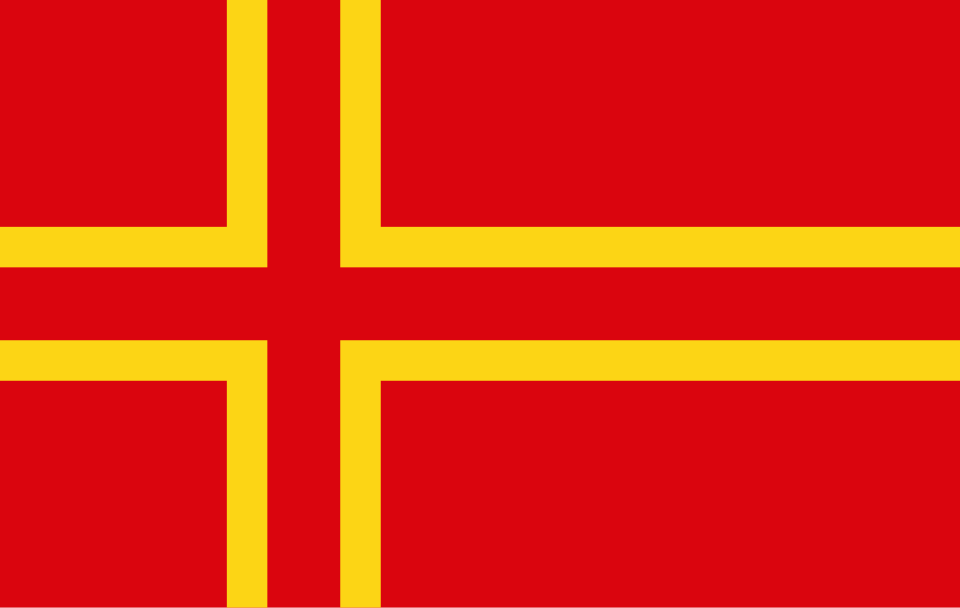
A three-leopard version also occurs in historic Norman debates and is linked to some Channel Island heraldry. A separate red flag with a gold Scandinavian cross, the Saint Olaf cross, is another Norman identity banner; neither should be confused with the illustrated two-leopard version.
When identifying a flag, compare the animal count, orientation of stripes, heraldic field and whether a cross or motto is present. Exact designs matter more than place-name similarities.
How to reproduce the illustrated flag
The best-known Normandy regional flag is red with two golden lions walking sideways while facing the viewer. In English heraldry they are often called lions passant guardant; French tradition commonly describes them as léopards, or leopards.
Start with the colour field, then trace any heraldic charges from the original Commons vector file. A complicated arms banner should not be redesigned as an approximate geometric logo.
Frequently asked questions
Why are Normandy’s flag animals called leopards?
In French heraldry, lions walking with their heads facing the viewer are conventionally called léopards; they are heraldic lions, not literal spotted cats.
Is this the current administrative-region flag?
Both a historical province and a present French administrative region, formed in its current boundaries in 2016 The featured artwork represents the historic or cultural banner specifically described here.
Where is Normandy?
Normandy lies in northwestern France along the English Channel. Rouen is the regional prefecture, while Caen hosts the regional council, so saying it has one uncomplicated capital can be misleading.
What are its main colours?
A red ground and bright gold animals make a stark heraldic contrast. Decorative colours such as blue, white or green do not belong to the standard two-leopard banner.
What is the historical origin of this design?
Medieval Norman ducal heraldry; modern cultural usage.
Can I reuse the flag image?
Check the linked Wikimedia Commons file for its actual artwork licence and credit. Heraldic designs, individual vector drawings and restricted official insignia may have different legal rules.
Sources and artwork credit
Normandy historic flag and heraldic reference
Wikimedia Commons overview of flags of French subdivisions
France regional flags — traditional, logo and government status distinctions
Wikimedia Commons original: Flag of Normandy.svg. The featured PNG is a scaled rendering. Review the original page for the artist’s attribution, copyright licence and any legal restrictions.
France’s national flag is the blue-white-red tricolour, distinct from the provincial heritage flag shown here.
Independent educational guide, not an official publication of a French region. Reviewed 20 November 2026.