History of the Venezuela Flag: Miranda, Seven Stars & the 2006 Eighth Star
Venezuela’s yellow-blue-red tricolour is one of South America’s most influential flag designs. Its history connects Francisco de Miranda, independence, Gran Colombia and the modern eight-star flag.
1806: Miranda raises the tricolour
Francisco de Miranda’s expedition carried a yellow-blue-red tricolour that was raised on Venezuelan soil at La Vela de Coro on August 3, 1806. Venezuela now commemorates August 3 as National Flag Day.
1811: the independence-era flag
After the declaration of independence, Venezuela adopted a related tricolour in 1811. Later governments changed details, emblems and star arrangements, but yellow, blue and red remained central to the national flag tradition.
Seven stars and the provinces of 1811
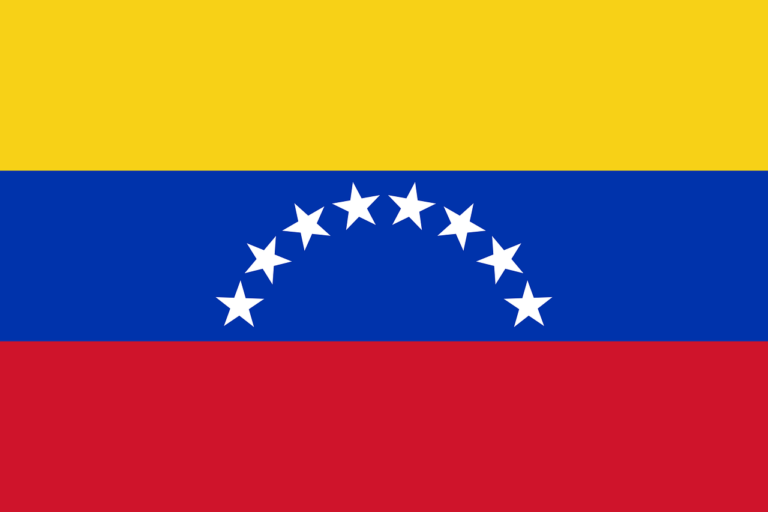
Seven stars came to represent the seven provinces that signed the Venezuelan declaration of independence in 1811. For much of modern Venezuelan history, the national flag displayed seven stars.
Bolívar’s 1817 eighth-star decree
Simón Bolívar ordered an additional star for the province of Guayana in 1817. The decree became especially important in later debates over how many stars the national flag should display.
2006: the eighth star returns
On March 9, 2006, Venezuela amended its national-symbol law and added an eighth white star to the arc in the blue band. The current flag therefore has eight stars.
Why the flag matters beyond Venezuela
The yellow-blue-red tradition also influenced the flags of Colombia and Ecuador through their shared history in Gran Colombia. This makes Venezuela’s early tricolour part of a wider South American flag family.