Flags of U.S. Territories and Washington, D.C.: Pictures & Meanings
See the flags of Washington, D.C., Puerto Rico, Guam, the U.S. Virgin Islands, American Samoa and the Northern Mariana Islands. Learn which places are territories, which is a federal district, and what their distinctive flag designs represent.
Six flags to recognize
The images below show the current commonly recognized local territorial and district flags, not the national flag of the United States. Puerto Rico is a commonwealth but is also a U.S. territory; the Northern Mariana Islands likewise have a commonwealth status. Washington, D.C. is administered under a separate federal-district framework.
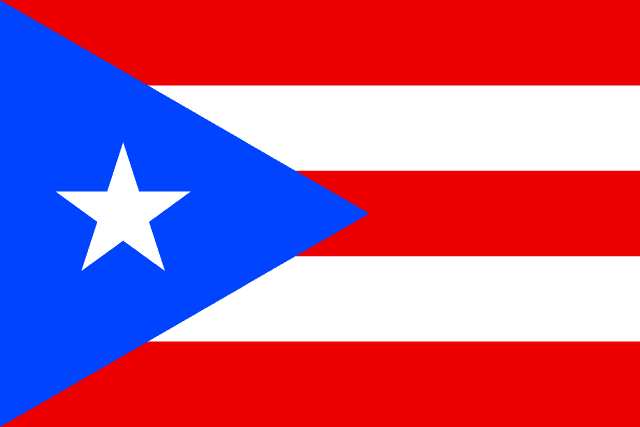
Puerto Rico
Unincorporated U.S. territory
One white star on blue triangle beside five red and white stripes.
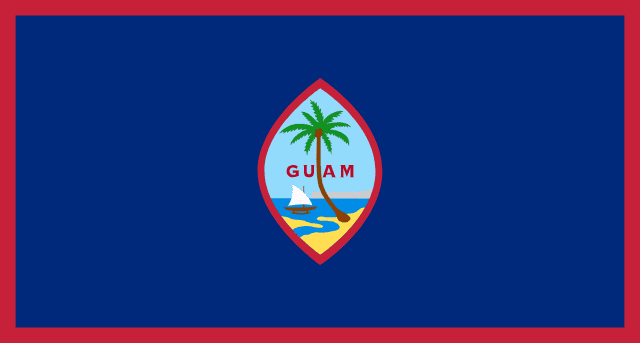
Guam
Unincorporated U.S. territory
Dark blue with red edging and a central shield bearing a boat and palm.
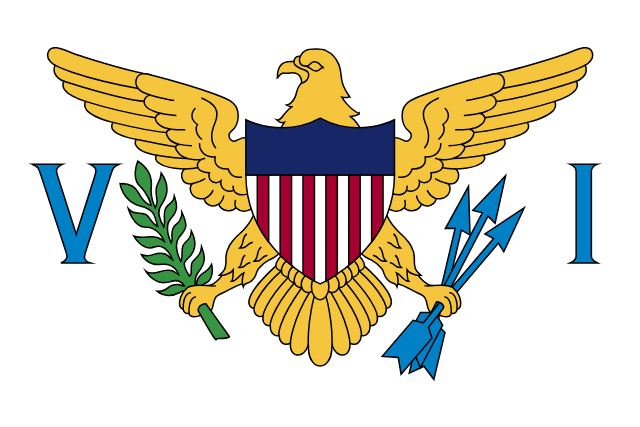
U.S. Virgin Islands
Unincorporated U.S. territory
Gold eagle holding symbolic items, with V and I on white.
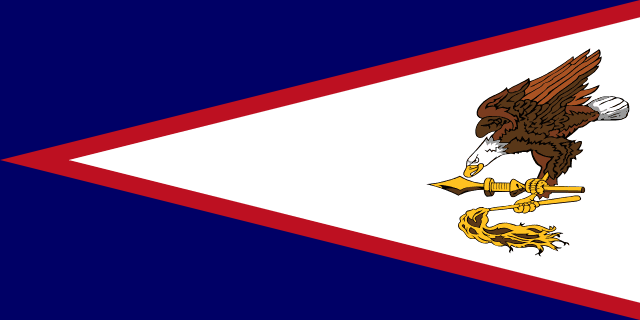
American Samoa
Unincorporated U.S. territory
Eagle holding Samoan symbols within a white, red-bordered triangular field.
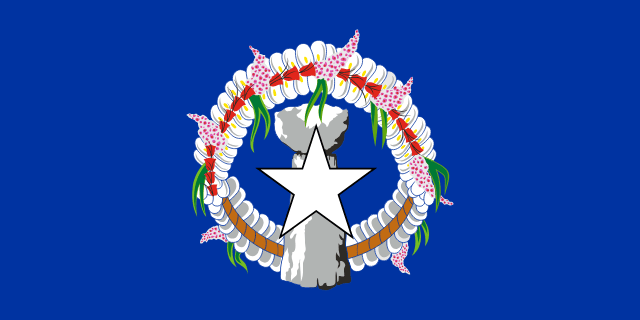
Northern Mariana Islands
U.S. commonwealth
White star, gray latte stone and ornamental wreath on blue.
Why Washington, D.C. is not a U.S. territory
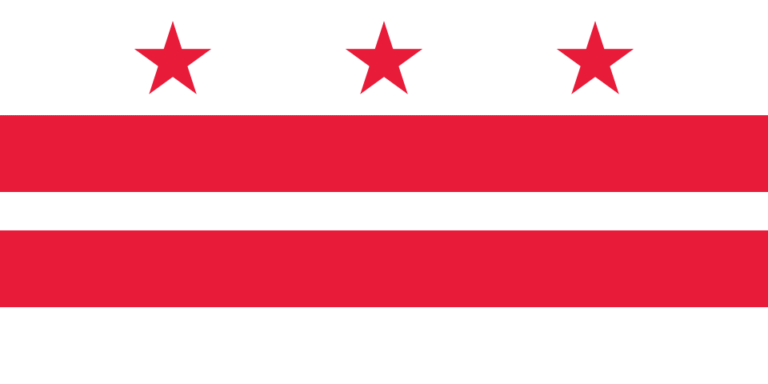
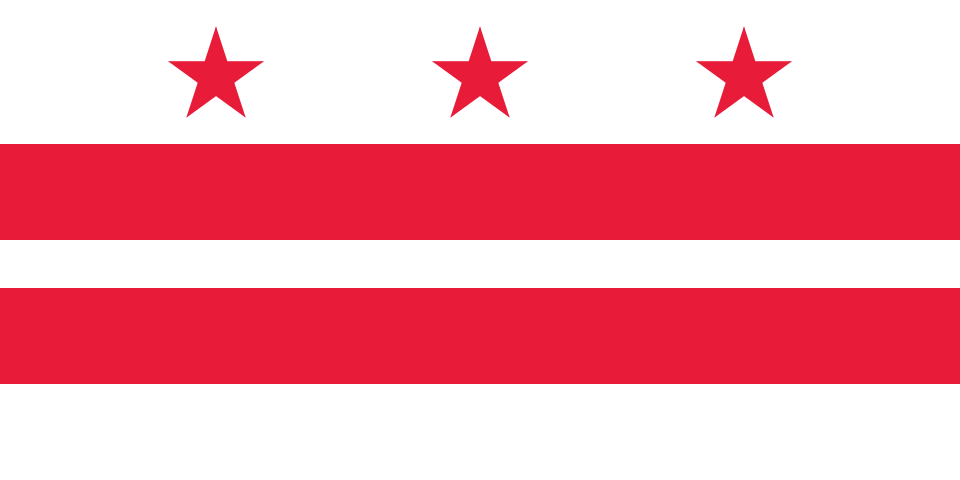
The District of Columbia is a federal district created for the national capital. It is not a state and is not legally classified in the same way as Puerto Rico or Guam. Its municipal-style flag has a white field, two horizontal red stripes and three red five-pointed stars. The design is based on heraldic arms associated with George Washington’s family, not on a count of D.C. counties.
Washington’s flag became the district’s official emblem in 1938. The D.C. flag guide explains the stars, stripes, original design and historical adoption. D.C. also has distinct voting and representation questions that should not be conflated with flag symbolism.
What are the five major U.S. territories?
| Place | Location | Distinctive flag design |
|---|---|---|
| Puerto Rico | Caribbean | White star on a blue triangle and five horizontal bands |
| U.S. Virgin Islands | Caribbean | Gold eagle with letters V and I on white |
| Guam | Western Pacific | Emblem showing a traditional boat and palm against blue |
| American Samoa | South Pacific | Eagle carrying Samoan cultural emblems |
| Northern Mariana Islands | Western Pacific | Star over latte stone, encircled by floral wreath |
These five territories have permanent civilian populations and established local governance arrangements. The U.S. also administers several smaller islands and atolls without permanent resident civilian populations. Those smaller possessions are not part of this six-flag gallery. A full U.S. territorial geography article would need to distinguish their different legal and administrative status.
What do these territorial flags symbolize?
Puerto Rico uses a design related to the Cuban flag, reflecting political movements of the late nineteenth century; the modern flag was adopted officially in 1952. Its star and triangle are often discussed in cultural and political contexts, and historic sources disagree about the intended shade of blue. Avoid assigning an unverified exclusive legal HEX color.
Guam includes a traditional proa sailing vessel, coconut palm and landscape, representing important elements of Chamorro history and the island’s setting. American Samoa includes an eagle holding objects associated with Samoan authority, alongside American and local symbolism. These are not generic pictures of birds or boats chosen at random.
The Northern Mariana Islands shows a latte stone, a traditional Chamorro architectural form, together with a white star and wreath. The U.S. Virgin Islands includes an eagle, a shield and the letters V and I. When writing detailed child guides, exact versions and adoption dates must be sourced from territorial government law and records, not invented from image captions.
How are territorial flags different from state flags?
A state flag represents one of the fifty states with constitutional standing in the Union; territorial flags represent territories with varied governmental frameworks. Washington, D.C. is separately the federal district. Many of these flags use local flora, indigenous motifs and historic political symbols rather than stars corresponding to U.S. admission order.
The 50 U.S. State Flags directory contains fifty state entries, so it deliberately does not classify Puerto Rico or D.C. as states. A student map may display all six alongside the national flag, but should label categories correctly. Their flags are not merely decorative variations of the Stars and Stripes.
Sources, references and image credits
U.S. Department of the Interior Office of Insular Affairs: Territories and freely associated states overview. Washington district flag: D.C. Code §1-151. Puerto Rico: Puerto Rico Department of State. Locally hosted images sourced from Wikimedia Commons and Flagpedia/FlagCDN flag illustrations, as credited in the media library. These illustrations support historical and educational identification.