History of the Iceland Flag: 1915 Royal Approval, 1918 Sovereignty & 1944 Republic
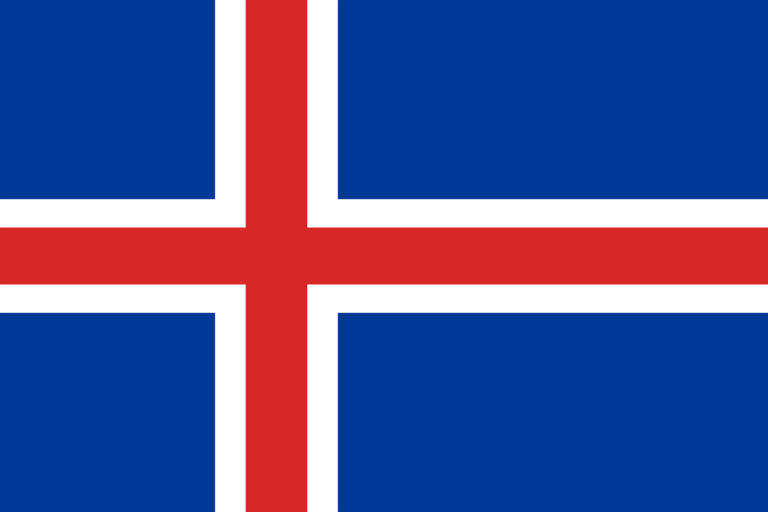
Iceland’s modern blue-white-red Nordic-cross flag was approved in 1915, became the sovereign state flag in 1918 and was confirmed in law when the republic was established in 1944.
Before 1915
Iceland used Danish state symbols during the long period of political union with Denmark, while Icelandic activists debated proposals for a distinct national flag.
1915: royal approval
The modern Icelandic flag received royal approval in 1915.
Why did Denmark’s flag still appear?
Government records note that both the Icelandic flag and the Dannebrog were flown at the government building for a period after 1915.
December 1, 1918: sovereign state
The Act of Union made Iceland a free and sovereign state in personal union with Denmark. From December 1, Icelandic ships were required to use the Icelandic national flag.
Did the flag change in 1918?
The shape and colors established in 1915 were retained. The legal context changed because the flag now represented a sovereign Icelandic state.
June 17, 1944: republic established
Iceland became a republic on June 17, 1944.
Flag law of 1944
The national flag law was among the first laws enacted after the new republican Constitution, formalizing the blue field, white cross and inner red cross.
Why the flag matters historically
The flag’s legal development tracks Iceland’s constitutional path from limited self-government to sovereignty and finally an independent republic.